
Multipath (Non-Parallel)
Storage where data flows through compute/controller nodes. Strong reads, but weaker writes.
Neural Networks

Neural networks are computational models fundamental to deep learning, designed to mimic the way the human brain processes information. They consist of layers of interconnected nodes, or “neurons,” which work together to analyze input data, identify patterns, and make decisions. Each layer in a neural network extracts different features from the data, with deeper layers […]
NFS (Network File System)
Legacy file-sharing protocol, not parallel, limited in performance.
Non-Volatile Memory Express (NVMe)
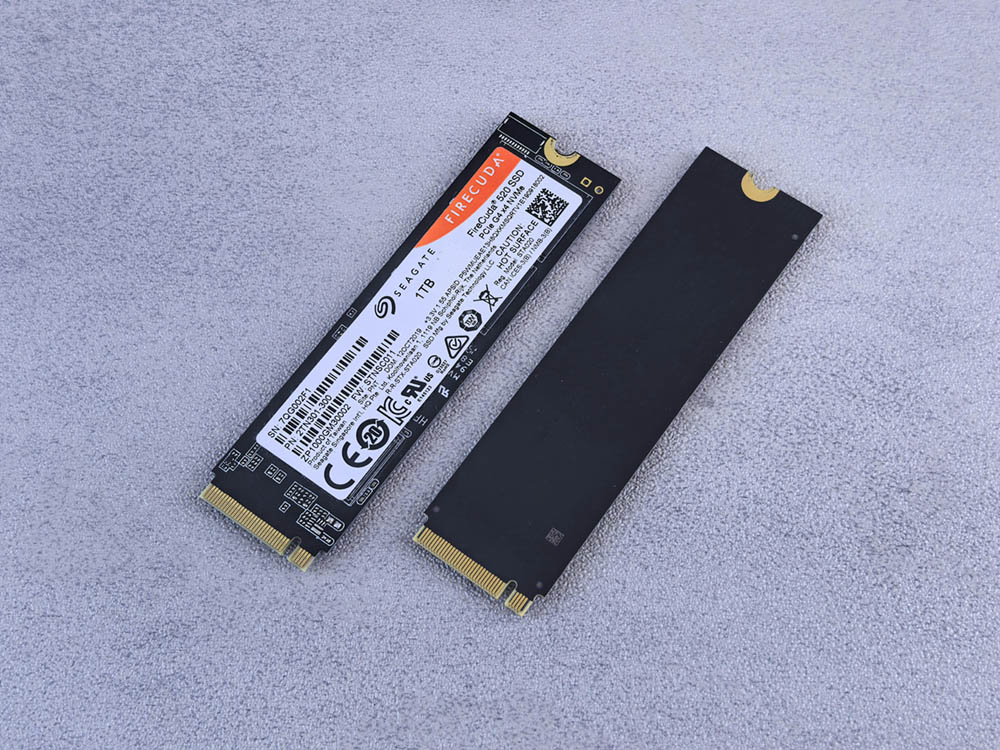
Non-Volatile Memory Express (NVMe) is a high-speed storage protocol designed specifically for modern SSDs (Solid-State Drives) to optimize data transfer between a system’s storage and its central processing unit (CPU). Unlike older protocols that were originally designed for slower spinning drives, NVMe leverages the direct link to the PCIe (Peripheral Component Interconnect Express) bus, dramatically […]
NVMe Non-Volatile Memory Express

High-speed protocol for SSD data transfer. Non-Volatile Memory means the storage retains data even when power is off (like flash storage in SSDs). Express refers to the fact that NVMe uses the high-speed PCIe (Peripheral Component Interconnect Express) interface to connect storage directly to the CPU. Why it matters: NVMe delivers much lower latency, higher […]
Object Storage

Object storage is a scalable storage solution that organizes data as discrete units called objects, rather than in traditional file or block structures. Each object includes the data itself, metadata, and a unique identifier, allowing for efficient data retrieval and enhanced metadata management. This approach is especially effective for handling vast amounts of unstructured data, […]
OSD (Object Storage Device)
Component that manages data in object-based systems.
PanFS
VDURA’s underlying file system technology, originally developed at Panasas.
Parallel Computing

Parallel computing is a method that uses multiple compute resources simultaneously to solve complex computational problems more efficiently. By dividing large tasks into smaller sub-tasks and processing them across multiple processors or nodes at the same time, parallel computing significantly reduces computation time and improves performance. This approach is foundational in High-Performance Computing (HPC) environments, […]
POSIX-Compliant Interface
POSIX (Portable Operating System Interface) Ensures compatibility across different operating systems. A family of IEEE standards that ensure compatibility across operating systems (Unix/Linux/macOS, etc.). A POSIX-compliant interface lets applications written for one compliant system run on another without modification.