
Redundant Array of Independent Disks (RAID)
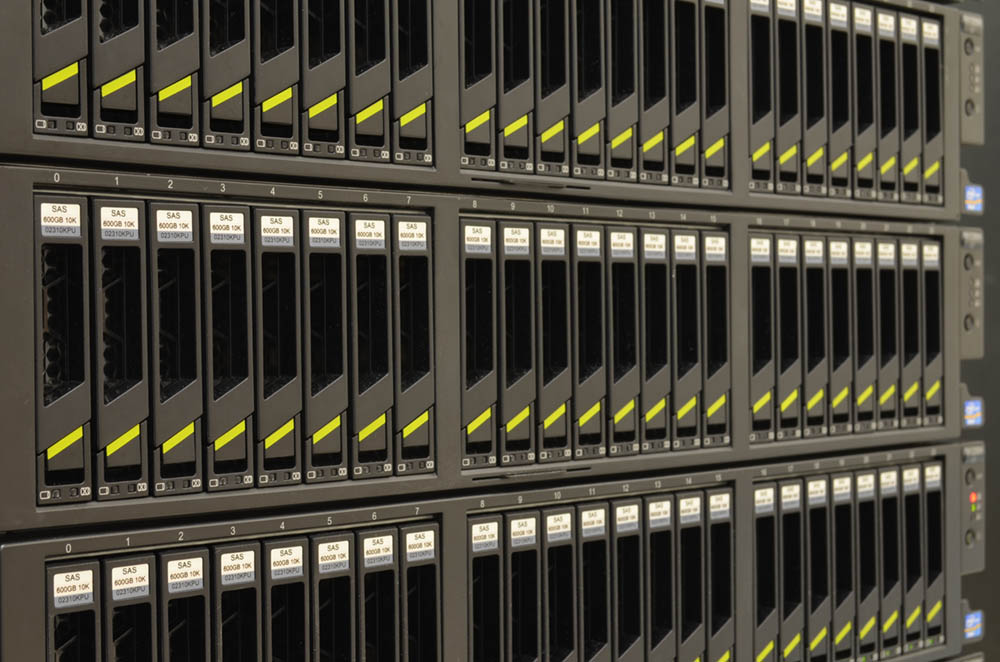
Redundant Array of Independent Disks (RAID) is a data storage technology that combines multiple hard drives into a single unit to improve data redundancy, performance, or both. By storing copies of data across different drives, RAID configurations can protect data against loss in case of a drive failure, enhancing system reliability. Different RAID levels (e.g., […]
REST API
A standard interface allowing applications to communicate with VDURA systems.
RSS Certification (Ready. Set. Sell.)
VDURA’s Partner training certification earned after successfully completing modules and quizzes and attending live trainings.
SaaS Subscription Model
VDURA’s offering for partners/customers to access software as a subscription.
Scalability

Scalability in computing refers to a system’s capacity to accommodate increasing workloads or expanding data needs by adding resources—whether through hardware, storage, or network capabilities—without sacrificing performance. A scalable system adjusts fluidly to growth, ensuring smooth operations as data demands increase. VDURA systems are designed with inherent scalability, allowing businesses to expand their computing power […]
Scale-Out Architecture
Modern design using many interconnected nodes. Highly scalable, resilient, and loses only a small % performance if a node fails.
Scale-Up Architecture
Traditional design using a few controllers to manage many drives. Cost-efficient at small scale but bottlenecks at larger scale.
Solid-State Drive (SSD)
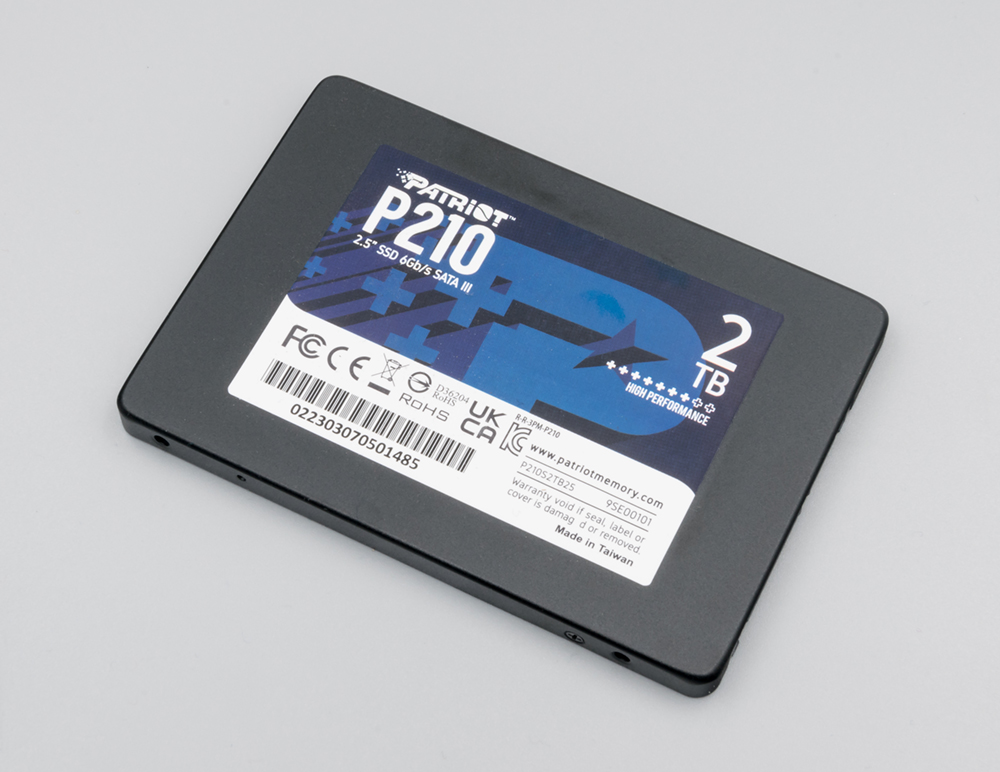
A Solid-State Drive (SSD) is a data storage device that uses integrated circuits to store information persistently, without any moving parts, unlike traditional hard disk drives (HDDs). SSDs leverage flash memory to store data, making them significantly faster and more reliable, as they’re less prone to mechanical failure. The absence of moving components allows SSDs […]
SSD (Solid-State Drive)
Flash-based storage device for high performance.
Strict Cache Coherency
Ensures caches across nodes remain consistent.